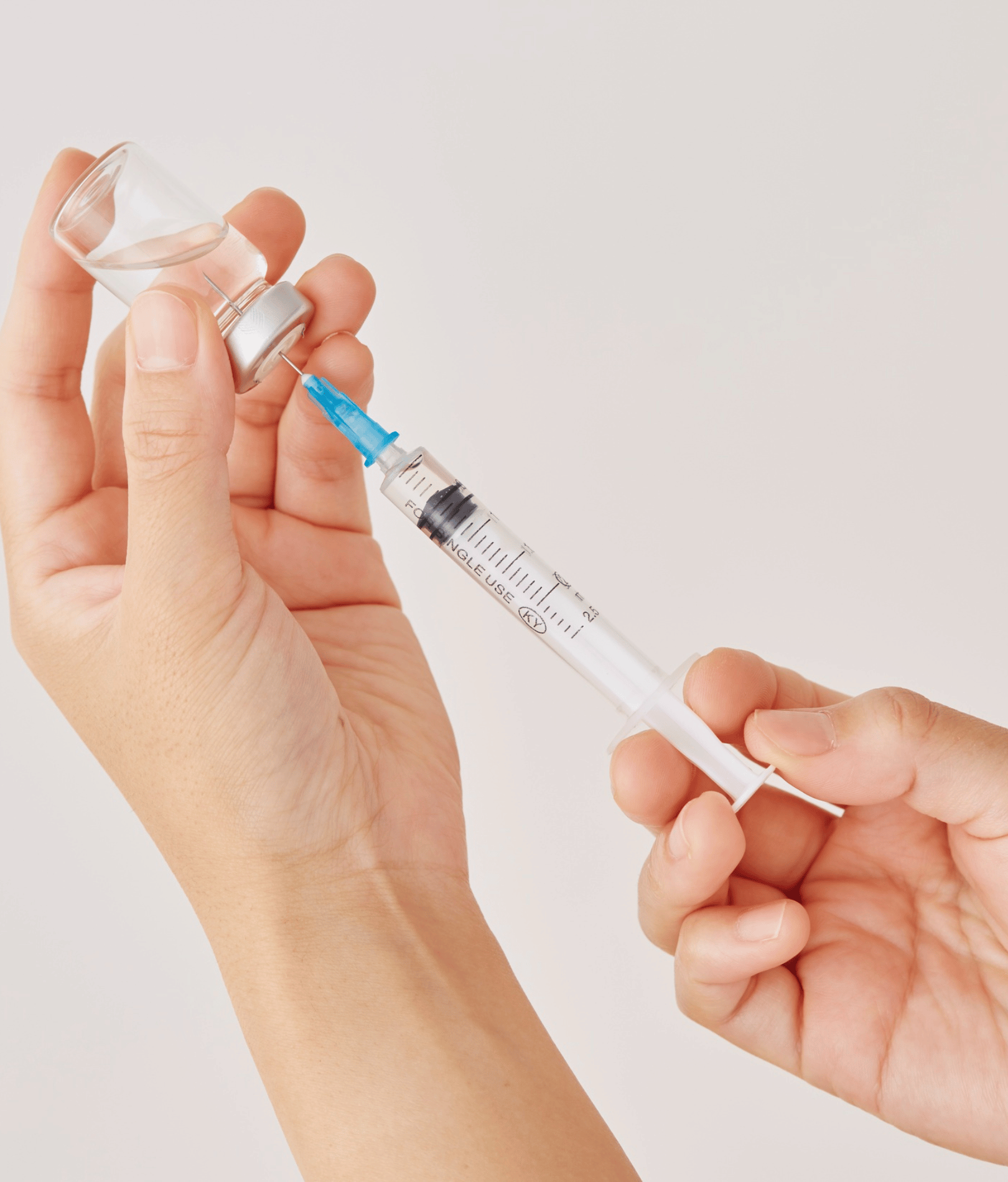
Korean Glass Skin Treatments Worth Flying to Seoul For
Introduction
“Korean glass skin” has become one of the most recognizable beauty goals in the world. The term generally describes skin that looks exceptionally smooth, hydrated, luminous, even-toned, and healthy rather than simply oily or shiny.
However, achieving that appearance is rarely about one miracle treatment. In Seoul, dermatology clinics commonly approach skin quality through combinations of treatments selected according to concerns such as dehydration, pigmentation, enlarged pores, acne scars, redness, uneven texture, fine lines, and loss of elasticity.
For international patients, this is one reason Seoul can be an appealing destination for professional skin treatments. Seoul’s medical-tourism network includes dermatology clinics offering combinations of laser treatments, skin boosters, pigmentation care, scar treatment, and customized anti-aging programs.
The most important point is that “glass skin” is a cosmetic description, not a medical diagnosis. A good treatment plan should focus on improving the underlying condition of your skin rather than trying to reproduce a social-media filter.
What Does Korean Glass Skin Actually Mean?
Glass skin usually refers to several visible qualities appearing together:
- Smooth-looking skin texture
- Better hydration
- A more even complexion
- Reduced appearance of pores
- Improved radiance
- Less visible pigmentation
- Softer fine lines
- Healthier-looking skin
- More consistent skin tone
It does not mean that pores disappear completely or that naturally textured skin becomes permanently flawless.
Your genetics, age, skin thickness, oil production, pigmentation tendency, sun exposure, and existing skin conditions all influence how close you can realistically get to the glass-skin appearance.
Why Seoul Is Popular for Glass Skin Treatments
Seoul has developed a large aesthetic dermatology industry serving both Korean patients and international visitors. Many clinics offer multiple non-surgical technologies under one roof, allowing physicians to combine treatments instead of relying on a single procedure.
For example, Seoul Medical Tourism listings include dermatology clinics specializing in combinations of lifting, skin boosters, whitening or pigmentation treatment, scar care, and laser procedures.
Some clinics also provide multilingual consultation services, which can be useful for international patients who need to discuss medical history, previous procedures, allergies, medications, and treatment expectations.
The advantage is not simply having access to more procedures. The more important factor is finding a qualified medical professional who can determine which treatments are appropriate for your particular skin.
Best Korean Glass Skin Treatments to Consider
1. Skin Boosters for Hydration and Skin Quality
Skin boosters are among the treatments frequently associated with the glass-skin look.
Rather than adding obvious facial volume like a traditional dermal filler, certain injectable skin treatments are designed to improve hydration or skin quality. Depending on the product, these may contain hyaluronic acid or other biocompatible materials.
The potential benefits can include:
- Improved skin hydration
- A smoother-looking surface
- Softer fine lines
- Better overall radiance
- More supple-looking skin
Results depend heavily on the specific product, injection technique, skin condition, and treatment plan.
Seoul clinics listed through the city's medical-tourism platform include skin boosters among their specialized dermatology services.
Because these are injectable treatments, they are not risk-free. Bruising, swelling, tenderness, infection, and other complications are possible. Patients should always confirm exactly what product is being injected and who is performing the procedure.
2. Rejuran and Polynucleotide-Based Treatments
Rejuran has become strongly associated with Korean aesthetic dermatology and is often discussed by international patients searching for skin rejuvenation.
It is based on polynucleotide technology and is generally positioned as a skin-quality treatment rather than a conventional volume-enhancing filler.
Patients may consider this type of treatment when their concerns include:
- Fine lines
- Dehydrated-looking skin
- Reduced skin quality
- Rough texture
- Early signs of aging
The result is not an instant transformation into “glass skin.” Improvements generally develop progressively, and suitability varies between individuals.
It is particularly important for medical tourists to understand the exact product being offered because clinics may use different injectable formulations under broad terms such as “skin booster” or “regenerative treatment.”
3. Pico Laser for Pigmentation and Overall Brightness
Pico laser is another popular option for patients concerned about uneven pigmentation, dullness, or certain types of discoloration.
The technology delivers extremely short laser pulses and can be used for selected pigmentation concerns and other indications depending on the device and treatment settings.
For a glass-skin goal, the attraction is usually not that the laser creates hydration by itself. Instead, improving unwanted pigmentation can make the complexion appear clearer and more even.
Pico laser is not appropriate for every pigmentation problem, however. Melasma, post-inflammatory hyperpigmentation, freckles, and other pigment conditions can behave differently.
A proper diagnosis matters before treatment, especially for patients with darker or pigmentation-prone skin.
4. IPL and Vascular or Pigment Lasers
If redness, visible vessels, sun-related discoloration, or uneven complexion is the main concern, a dermatologist may consider light- or laser-based treatments.
These treatments can target specific chromophores in the skin and may help selected patients achieve a more uniform-looking complexion.
The exact device matters. “Laser treatment” is not one procedure, and different wavelengths are designed for different problems.
A medical consultation should therefore focus on the diagnosis rather than simply asking for the most popular laser.
5. RF Microneedling for Texture and Pores
For patients whose glass-skin goal is primarily about texture rather than pigmentation, radiofrequency microneedling may be considered.
The treatment combines controlled microneedling with radiofrequency energy to stimulate changes within the skin.
It may be used for concerns such as:
- Enlarged pores
- Acne scars
- Uneven texture
- Fine lines
- Mild skin laxity
Because microneedling intentionally creates controlled skin injury, temporary redness, swelling, sensitivity, or other downtime can occur.
This is important for travelers. A treatment that is excellent for long-term skin improvement may not be ideal immediately before a flight, wedding, photo shoot, or major sightseeing schedule.
6. LDM and Hydration-Focused Treatments
Some Korean clinics also offer ultrasound-based or hydration-focused treatments designed to support skin comfort and appearance.
These treatments are generally less aggressive than resurfacing procedures and may be incorporated into broader skin-care programs.
They can be appealing to visitors who want a more comfortable treatment with limited downtime, although the expected results should be understood realistically.
A relaxation-focused facial or spa treatment is also different from a medical dermatology procedure. Seoul has a wide range of Korean beauty and wellness experiences, but international patients should distinguish cosmetic spa services from physician-led medical treatments.
Which Treatment Is Best for Your Skin?
There is no single “best Korean glass skin treatment.”
Your treatment should be based on the problem you want to improve.
If your main concern is dehydration:
A dermatologist may consider hydration-focused skincare or an appropriate skin booster.
If pigmentation is the biggest concern:
Laser or light-based treatment may be considered after identifying the type of pigmentation.
If pores and texture are the priority:
Microneedling, RF microneedling, laser resurfacing, or other texture-focused approaches may be discussed.
If early aging is the concern:
A combination of skin-quality treatments, energy-based procedures, skincare, and sun protection may be more appropriate than one aggressive procedure.
If redness is prominent:
A dermatologist should determine whether the problem involves vascular changes, irritation, rosacea, inflammation, or another condition before selecting treatment.
Can You Get Glass Skin in One Seoul Visit?
Sometimes a single treatment can create a temporary improvement in hydration, smoothness, or radiance, but a dramatic permanent transformation from one session should not be expected.
Some patients may need several sessions spaced over time.
Others may benefit more from treating one major problem first rather than combining multiple procedures during a short trip.
This is particularly important for medical tourists. Trying too many procedures at once can increase irritation, swelling, downtime, and the difficulty of determining which treatment caused a reaction.
A conservative treatment plan can sometimes produce a better overall experience than attempting every trending procedure during one visit.
How to Prepare for Glass Skin Treatment in Seoul
Before traveling, collect relevant medical information, including:
- Previous cosmetic procedures
- Current medications
- Known allergies
- Previous reactions to injections or lasers
- Existing skin conditions
- History of pigmentation after procedures
- Current skincare products
- Recent sun exposure
Avoid choosing a clinic solely because a treatment is trending on social media.
Instead, look for a clinic where a qualified medical professional evaluates your skin and explains why a particular treatment is appropriate.
International patients should also ask whether the clinic offers consultation in a language they understand. Some Seoul Medical Tourism clinics list English, Chinese, Japanese, or other language support.
What Should International Patients Ask Before Treatment?
Before agreeing to a procedure, ask:
- What is my primary skin concern?
- What treatment are you recommending and why?
- Who will perform the procedure?
- What exact device or injectable product will be used?
- How much downtime should I expect?
- How many sessions might I need?
- What side effects are possible?
- What should I avoid after treatment?
- Can I safely fly after the procedure?
- What happens if I develop a complication after returning home?
These questions are particularly important when visiting Seoul for only a few days.
How Long Should You Stay in Seoul?
Your ideal stay depends on the procedure.
Low-downtime treatments may be easier to fit into a short trip, while treatments involving significant swelling, bruising, peeling, or skin sensitivity may require more planning.
Do not schedule an aggressive procedure immediately before your return flight without discussing the timing with your treating clinician.
If you are undergoing several procedures, leaving some flexibility in your itinerary can also be helpful. Your skin may not respond exactly according to a predetermined travel schedule.
How Much Do Korean Glass Skin Treatments Cost?
There is no single price for “glass skin treatment” because glass skin is achieved through different procedures.
Your total cost can depend on:
- Type of treatment
- Brand of injectable product
- Number of sessions
- Treatment area
- Laser or device used
- Physician experience
- Clinic location
- Whether multiple procedures are combined
- Follow-up requirements
A package advertised online may not represent the treatment you actually need.
International patients should compare the medical plan rather than simply comparing promotional prices.
Risks and Limitations to Understand
Even non-surgical skin treatments can cause complications.
Depending on the procedure, possible problems may include:
- Redness
- Swelling
- Bruising
- Temporary sensitivity
- Irritation
- Infection
- Pigment changes
- Burns from energy-based devices
- Prolonged inflammation
- Allergic or inflammatory reactions
- Vascular complications from certain injections
The risk profile depends on the treatment, device, product, skin type, and technique.
Patients with active skin infections, certain inflammatory skin conditions, pregnancy, medication-related concerns, or other medical issues may need to postpone or avoid particular treatments.
A qualified clinician should assess your individual circumstances before treatment.
Why Seoul May Be Worth the Trip
The strongest reason to consider Seoul is not simply the phrase “Korean glass skin.”
Seoul offers a mature aesthetic medical environment in which patients can find clinics combining different approaches to pigmentation, skin texture, hydration, scarring, and aging. Seoul's official medical-tourism platform specifically lists numerous dermatology providers with services such as skin boosters, lasers, pigmentation treatment, scar treatment, and anti-aging care.
For an international patient, this can make it easier to build a treatment plan around actual skin concerns rather than buying a generic beauty package.
However, traveling internationally for cosmetic treatment also adds responsibilities. You need to research the provider, understand the risks, plan enough recovery time, and have a strategy for follow-up care.
Tips for Getting the Most Natural Glass-Skin Result
For a natural result, consider these principles:
- Treat the underlying skin problem rather than chasing a trend.
- Do not combine numerous aggressive treatments without a medical reason.
- Prioritize sun protection.
- Follow post-treatment skincare instructions carefully.
- Allow adequate recovery time.
- Tell your clinician about previous procedures.
- Ask about realistic results rather than guaranteed outcomes.
- Take before-and-after photographs under similar lighting.
- Give your skin time to respond before judging the final outcome.
The best glass-skin result should still look like your own skin—only healthier, smoother, more even, and more radiant.
Conclusion
Korean glass skin is not a single procedure. It is a skin-quality goal that may involve hydration, pigmentation control, texture improvement, pore management, and overall skin health.
For international patients, Seoul offers access to a wide range of dermatology treatments, including skin boosters, laser procedures, pigmentation treatments, scar therapies, and other aesthetic technologies.
The right treatment depends on your skin, not on what is currently trending online. A consultation with a qualified dermatologist or appropriately trained medical professional can help determine whether a skin booster, laser, RF microneedling, or another approach makes sense.
If you are considering flying to Seoul specifically for glass skin, plan the trip around your medical needs rather than trying to complete every treatment in one appointment. A personalized, conservative plan is more likely to give you a safe and natural-looking improvement.
FAQs
What is the best Korean treatment for glass skin?
There is no universal best treatment. Skin boosters, pigmentation lasers, RF microneedling, and other procedures may be appropriate depending on whether your main concern is dehydration, pigmentation, pores, texture, or aging.
Is Korean glass skin treatment permanent?
No. Skin quality can improve, but aging, sun exposure, hormonal changes, lifestyle, and natural skin processes continue. Maintenance skincare and, when appropriate, periodic treatments may be necessary.
Can foreigners get glass skin treatments in Seoul?
Yes. Seoul has many clinics that serve international patients, and some medical-tourism-listed clinics provide multilingual consultation services.
Is Rejuran the same as a dermal filler?
No. Rejuran is generally used as a skin-quality treatment based on polynucleotide technology, while conventional dermal fillers are primarily designed to restore or add volume.
Does Pico laser make skin look brighter?
It can improve certain pigmentation concerns, which may make the complexion appear more even and brighter. However, results depend on the diagnosis, laser settings, skin type, and the condition being treated.
How many treatments are needed for Korean glass skin?
It varies. Some patients may see a visible improvement after one session, while others need multiple treatments. Your clinician should recommend the schedule based on your skin condition and the selected procedure.
Can I get several glass-skin treatments during one Seoul trip?
Sometimes, but combining procedures is not automatically better. Multiple treatments can increase irritation and downtime, so a clinician should determine whether the combination is medically appropriate.
How much does glass skin treatment cost in Seoul?
There is no fixed price because “glass skin” can involve different procedures. Costs depend on the treatment, product, number of sessions, clinic, physician, and whether procedures are combined.
Is glass skin suitable for every skin type?
Most people can pursue healthier-looking, more even, and hydrated skin, but the safest treatment varies by skin type and condition. Pigmentation-prone skin, sensitive skin, and active skin disease may require particular caution.
Is it worth flying to Seoul for Korean glass skin treatments?
It can be worthwhile for patients who want access to Seoul's broad aesthetic dermatology market and are prepared to choose a qualified provider carefully. The value depends on the treatment plan, expected benefit, travel costs, recovery time, and follow-up needs.